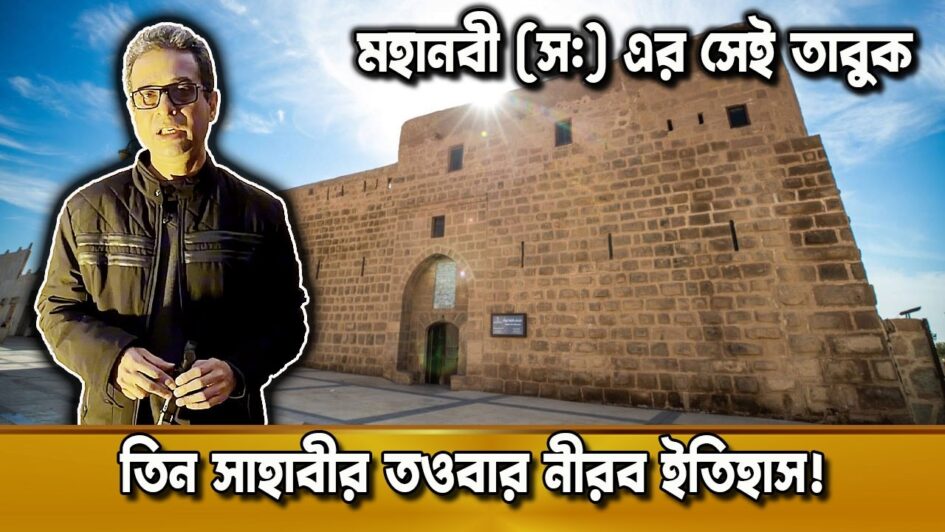
The Tabuk expedition stands as a unique and significant event in Islamic history, marking Prophet Muhammad’s (PBUH) final military campaign. This remarkable journey resulted in a profound victory achieved not through bloodshed, but through strategic movement, faith, and divine intervention. Located approximately 750 kilometers from Madinah, Tabuk became the stage for a compelling narrative of military readiness and spiritual purification.
The Last Expedition of Prophet Muhammad
In what was to be his last major military expedition, Prophet Muhammad (PBUH) led a formidable army of 3,000 Muslim soldiers to Tabuk. This was the largest assembly of the Muslim forces at that time. The primary reason for this arduous journey across the scorching desert and mountainous terrain was intelligence indicating a potential attack from the Byzantine Empire along the Syrian border. The Prophet, ever vigilant, prepared to meet this perceived threat head-on.
The Three Companions and Their Repentance
During the preparations for the Tabuk expedition, a poignant episode unfolded involving three respected companions: Ka’b ibn Malik, Hilal ibn Umayyah, and Murara ibn Rabi’. They, for various reasons, lagged behind the expedition. Prophet Muhammad (PBUH) subsequently ordered a social boycott against them. This severe measure led to their isolation, prompting deep introspection and sincere repentance (Tawbah). Their heartfelt turning back to Allah was ultimately accepted, and this significant event is commemorated in the Holy Quran through the revelation of Surah At-Tawbah.
Tabuk Fort and Its Historical Significance
The historical city of Tabuk still preserves the vibrant legacy of the Prophet’s campaign. The Tabuk Fort, a structure that dates back to the Ottoman era (around 1600 AD), serves as a living museum. This fort was not only a strategic point for military considerations during the expedition but also later became a resting place for Hajj pilgrims. Visitors today can explore its various chambers, which beautifully showcase ancient war equipment, sleeping quarters, cooking arrangements, and even areas for worship and leisure. It’s possible to experience a slice of ancient Arabian culture, including traditional food and attire, within the fort for a nominal fee. Adjacent to the fort lies the Taubah Mosque, also known as the Mosque of Repentance, built at the very spot where the Prophet offered prayers of gratitude for the acceptance of the companions’ repentance.
A Glimpse into the Past
Tabuk, though not a sprawling metropolis, holds a unique charm. Its streets are lined with shops, many run by Bangladeshi expatriates, reflecting a diverse community. The area around the Tabuk Fort was once the old town, a bustling marketplace. While new structures have emerged, the essence of an ancient Arabian village can still be felt, especially during the tranquil evenings. The expedition to Tabuk, characterized by the absence of actual combat due to the retreat of the enemy forces, remains a powerful testament to faith, leadership, and the profound impact of sincere repentance.
The Tabuk expedition was Prophet Muhammad’s last military campaign, unique for its bloodless victory. It also highlights the repentance of three companions and led to the revelation of Surah At-Tawbah. The Tabuk Fort stands today as a living testament to this pivotal moment in Islamic history, showcasing ancient artifacts and offering a glimpse into the past. For more details, watch the video above.
Leave a Reply